Scythe by Neal Shusterman
Imagine a world with no hunger, no disease, no misery, no death. Because no death exists naturally, Scythes are designated to “glean” (permanently kill) people, ostensibly to prevent overpopulation.
This is the world in which teens, Citra and Rowan, live. Chosen as apprentice scythes by the ascetic Scythe Faraday, they reluctantly begin to learn the art and craft of death. Scythe Faraday instills in them a reverence and respect for human life and the work of scythes. But not all scythes subscribe to the same philosophy. Elsewhere in the Scythedom, a movement is forming to embrace the violence and death of their work, placing themselves as superior to the unappointed citizenry. Citra and Rowan find themselves caught in the middle of this battle, and must figure out how to come out of it all alive. (Kind of vague I know, but sometimes knowing less gives you more enjoyment in the reading.)
Now, the idea that the entire world would agree that the best way to control the population was to designate a small group of people who are above the law to kill people by whatever method they prefer seems a bit ludicrous. Just the idea that gleaning someone by flame-thrower or bowie knife would be acceptable rather than some universally accepted humane method is hard to believe. And those aren’t the only qualms I have. But if you can buy into the world-building, this is a compelling, thought-provoking read.
The existence of such a truly utopian world prompts all sorts of questions about the nature and purpose of life and death. Is pain required to feel joy? What does life become when there may be no end? But it’s not just philosophical, the story is good. There are unpredictable twists around every corner. It’s filled with action and suspense. The characters are each so distinct, and their arcs drive the story as much as the plot. I couldn't put it down, and I loved the way it made me think.
Just as a note, this is a violent book...and yet, not explicitly so. In his straightforward, unadorned style, Shusterman describes horrifying events, but there is no gore. It's not graphic. If you're worried, compare it to The Hunger Games.
Showing posts with label YA. Show all posts
Thursday, December 21, 2017
Wednesday, December 20, 2017
Recent Read: The 57 Bus
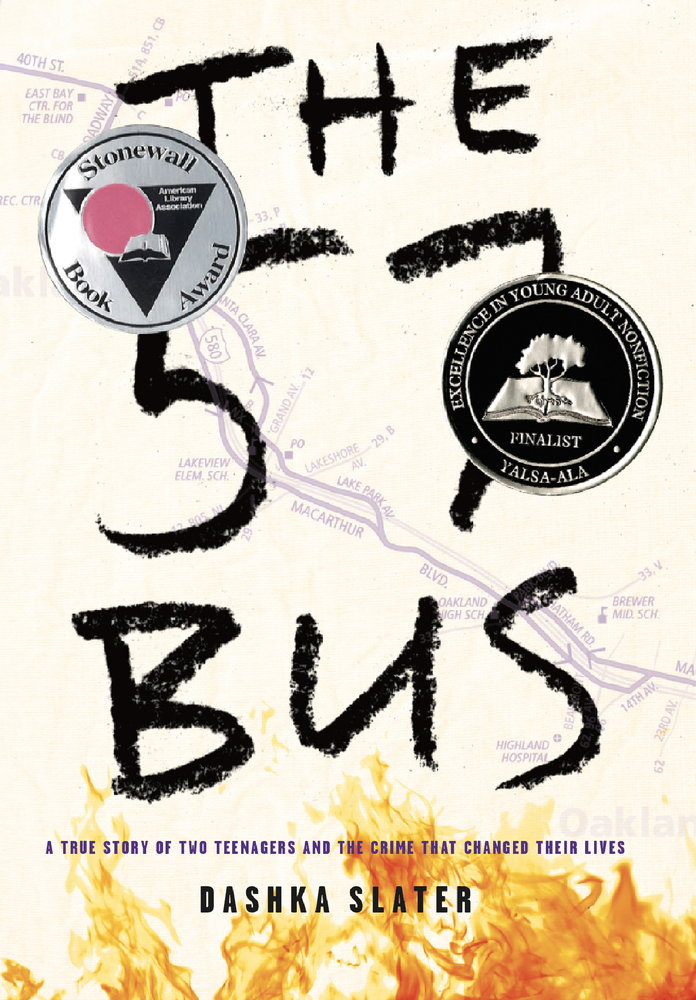
The 57 Bus by Dashka Slater
In November 2013, an agender teen riding the 57 bus was set on fire. The story became international news. The victim suffered horrible third degree burns. Many asked why. The answer the press and the district attorney’s office provided was simple: bigotry. To many it was a simple black and white case of right vs wrong.
Dashka Slater, the journalist who first covered the story for New York Times Magazine, tells a bit of a different story. She tells the story of two kids whose lives were both drastically changed in an instant. Sasha was a gender nonconforming teen with Asperger’s from a middle class white home who asked to be called by the pronouns they/them/theirs. Richard was a good natured teen from the inner city who was trying to improve his life despite the difficulties he faced. They both had friends and loving families. Slater describes two well-loved teens, good kids. So how did everything go so wrong? What kind of crime was committed and what is the punishment that fits it?
Slater goes into depth, describing where the teens came from their environments and the justice system that will determine Richard’s fate. It’s rife with hot button issues—race, class, transgenderism, incarceration, bullying, to name a few—but Slater handles them with sensitivity. She is even-handed in her portrayal of the teens, and you might be surprised by how much sympathy you feel for both. Dreadful as the whole thing may sound, the human spirit miraculously shines through. There is inspiration and heart to be found even here.
In November 2013, an agender teen riding the 57 bus was set on fire. The story became international news. The victim suffered horrible third degree burns. Many asked why. The answer the press and the district attorney’s office provided was simple: bigotry. To many it was a simple black and white case of right vs wrong.
Dashka Slater, the journalist who first covered the story for New York Times Magazine, tells a bit of a different story. She tells the story of two kids whose lives were both drastically changed in an instant. Sasha was a gender nonconforming teen with Asperger’s from a middle class white home who asked to be called by the pronouns they/them/theirs. Richard was a good natured teen from the inner city who was trying to improve his life despite the difficulties he faced. They both had friends and loving families. Slater describes two well-loved teens, good kids. So how did everything go so wrong? What kind of crime was committed and what is the punishment that fits it?
Slater goes into depth, describing where the teens came from their environments and the justice system that will determine Richard’s fate. It’s rife with hot button issues—race, class, transgenderism, incarceration, bullying, to name a few—but Slater handles them with sensitivity. She is even-handed in her portrayal of the teens, and you might be surprised by how much sympathy you feel for both. Dreadful as the whole thing may sound, the human spirit miraculously shines through. There is inspiration and heart to be found even here.
Tuesday, December 29, 2015
Recent Read: Symphony for the City of the Dead: Dmitri Shostakovich and the Siege of Leningrad
Symphony for the City of the Dead: Dmitri Shostakovich and the Siege of Leningrad by M. T. Anderson
This is a story about war, the power of music, and humanity.
It was just as Shostakovich's career as a composer in St Petersburg (soon to become Leningrad) was getting started that Lenin, and then Stalin seized power over Russia, turning it into a totalitarian hell. And yet, even after living through the atrocities Stalin unleashed on his own people, they rallied to fight for Mother Russia when Hitler invaded with his armies. The Soviets were terribly unprepared, and so Hitler's progress was fast, soon cutting off all of Leningrad's supply lines. Hitler decided that rather than attack, they would just wait for the entire city of 2 million + to starve to death.
And so Shostakovich's home town faced a Russian winter with little to no food or fuel. What role would Shostakovich's music
play in this devastating tragedy? Despite the Soviet government's persecution of him before the war, he was a popular and beloved composer both in the USSR and abroad. As he began work on a new symphony, the Soviet leadership took interest. They knew it could be significant to would-be allies in the west, as well as to a suffering population at home. They went to great lengths to get the score sent abroad to help garner support from Americans, whose aid they were in desperate need of. But the symphony's history would culminate in Leningrad itself, where starving and dying musicians rallied together to perform it to an emotional and desperate crowd. It would become a symbol of hope.
It's a fascinating and tragic story. One of the interesting things is how unreliable the sources they have are. Anderson is candid about the questionable nature of the records of Shostakovich and his life. He dedicates a lot of time to describing Shostakovich's music, and its possible meanings. There has been much speculation over the years, and Anderson gives us a window into many perspectives. As I listened to the symphonies described, I could remember Anderson's own careful descriptions of the music.
What struck me most was the section devoted to Leningrad during the siege. It's astounding what the people there endured, and what some did in such abominable circumstances (both good and bad). As Anderson suggests in the video below, this story indirectly poses the question, "What does it mean to be human?"
This is a story about war, the power of music, and humanity.
It was just as Shostakovich's career as a composer in St Petersburg (soon to become Leningrad) was getting started that Lenin, and then Stalin seized power over Russia, turning it into a totalitarian hell. And yet, even after living through the atrocities Stalin unleashed on his own people, they rallied to fight for Mother Russia when Hitler invaded with his armies. The Soviets were terribly unprepared, and so Hitler's progress was fast, soon cutting off all of Leningrad's supply lines. Hitler decided that rather than attack, they would just wait for the entire city of 2 million + to starve to death.
And so Shostakovich's home town faced a Russian winter with little to no food or fuel. What role would Shostakovich's music
play in this devastating tragedy? Despite the Soviet government's persecution of him before the war, he was a popular and beloved composer both in the USSR and abroad. As he began work on a new symphony, the Soviet leadership took interest. They knew it could be significant to would-be allies in the west, as well as to a suffering population at home. They went to great lengths to get the score sent abroad to help garner support from Americans, whose aid they were in desperate need of. But the symphony's history would culminate in Leningrad itself, where starving and dying musicians rallied together to perform it to an emotional and desperate crowd. It would become a symbol of hope.
It's a fascinating and tragic story. One of the interesting things is how unreliable the sources they have are. Anderson is candid about the questionable nature of the records of Shostakovich and his life. He dedicates a lot of time to describing Shostakovich's music, and its possible meanings. There has been much speculation over the years, and Anderson gives us a window into many perspectives. As I listened to the symphonies described, I could remember Anderson's own careful descriptions of the music.
What struck me most was the section devoted to Leningrad during the siege. It's astounding what the people there endured, and what some did in such abominable circumstances (both good and bad). As Anderson suggests in the video below, this story indirectly poses the question, "What does it mean to be human?"
Wednesday, October 14, 2015
Recent Read: Tommy: The Gun that Changed America
Tommy: The Gun that Changed America by Karen Blumenthal
When john Taliaferro Thompson developed a lightweight, fast-firing weapon, he was hoping to give American troops an advantage in World War I. He didn’t anticipate that the Thompson submachine gun would become the weapon of choice for bootleggers, gangsters and bank robbers. This is the story of the Tommy gun, a weapon created with the best of intentions, and made infamous by those with the worst of intentions.
Blumenthal crafts an interesting narrative for the gun, which details crimes and criminals, including such infamous characters as public enemy number one, John Dillinger, as well as the equally infamous Bureau of Investigation that pursued such criminals.
The introduction of the Tommy gun into society created a need for new regulation and gun laws, which were almost nonexistent before massacres and robberies committed with the gun made it national news. Blumenthal shows how the arguments made for and against gun regulation and laws back in the 20s and 30s weren’t so different from the arguments we hear today. This is an interesting book that contains the kind of unbelievable drama you’d find in a gangster movie, but it’s all true. (I watched 2 James Cagney movies after I finished it.)
When john Taliaferro Thompson developed a lightweight, fast-firing weapon, he was hoping to give American troops an advantage in World War I. He didn’t anticipate that the Thompson submachine gun would become the weapon of choice for bootleggers, gangsters and bank robbers. This is the story of the Tommy gun, a weapon created with the best of intentions, and made infamous by those with the worst of intentions.
Blumenthal crafts an interesting narrative for the gun, which details crimes and criminals, including such infamous characters as public enemy number one, John Dillinger, as well as the equally infamous Bureau of Investigation that pursued such criminals.
The introduction of the Tommy gun into society created a need for new regulation and gun laws, which were almost nonexistent before massacres and robberies committed with the gun made it national news. Blumenthal shows how the arguments made for and against gun regulation and laws back in the 20s and 30s weren’t so different from the arguments we hear today. This is an interesting book that contains the kind of unbelievable drama you’d find in a gangster movie, but it’s all true. (I watched 2 James Cagney movies after I finished it.)
Tuesday, November 11, 2014
Recent Read: Through the Woods
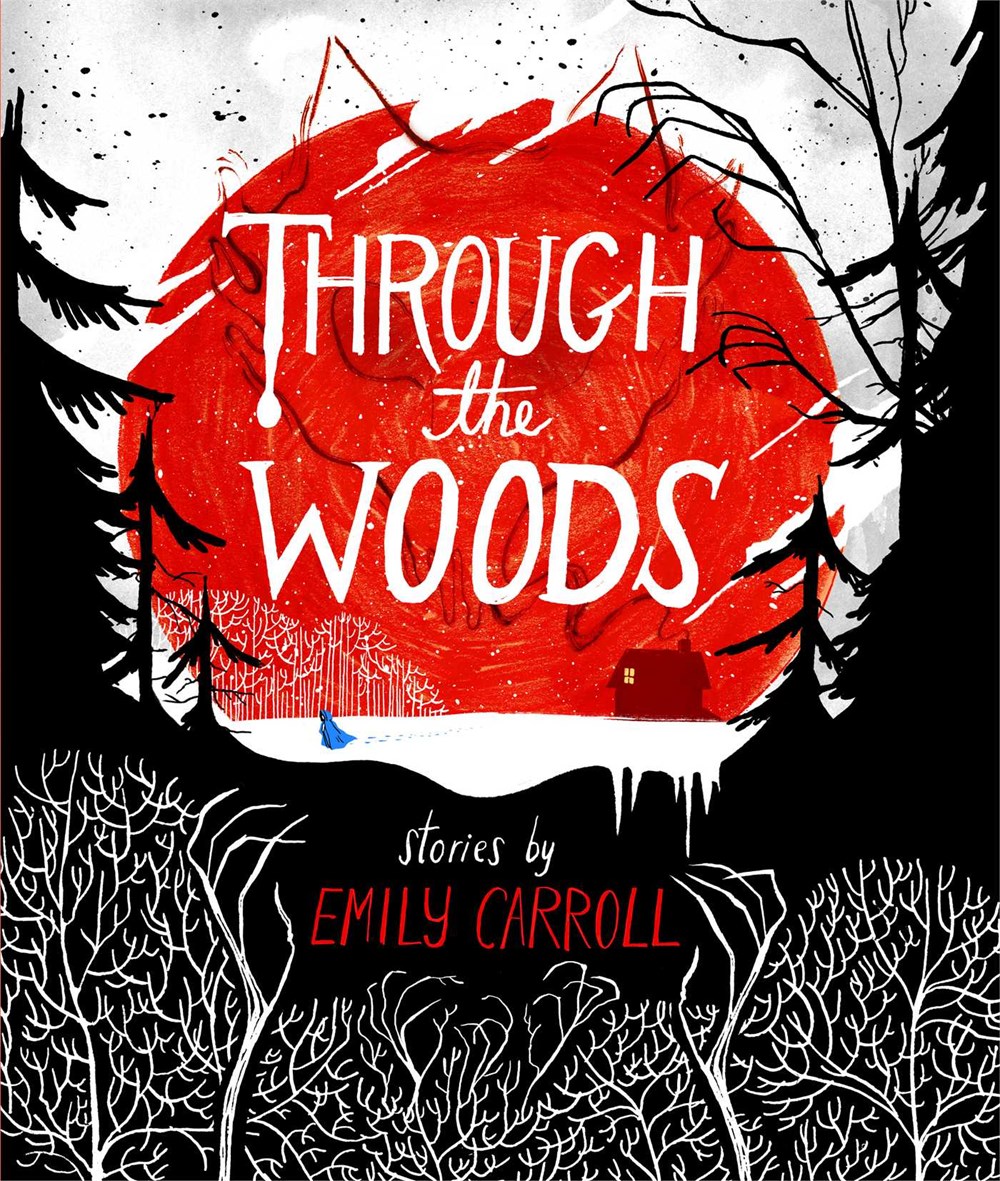
Through the Woods by Emily Carroll
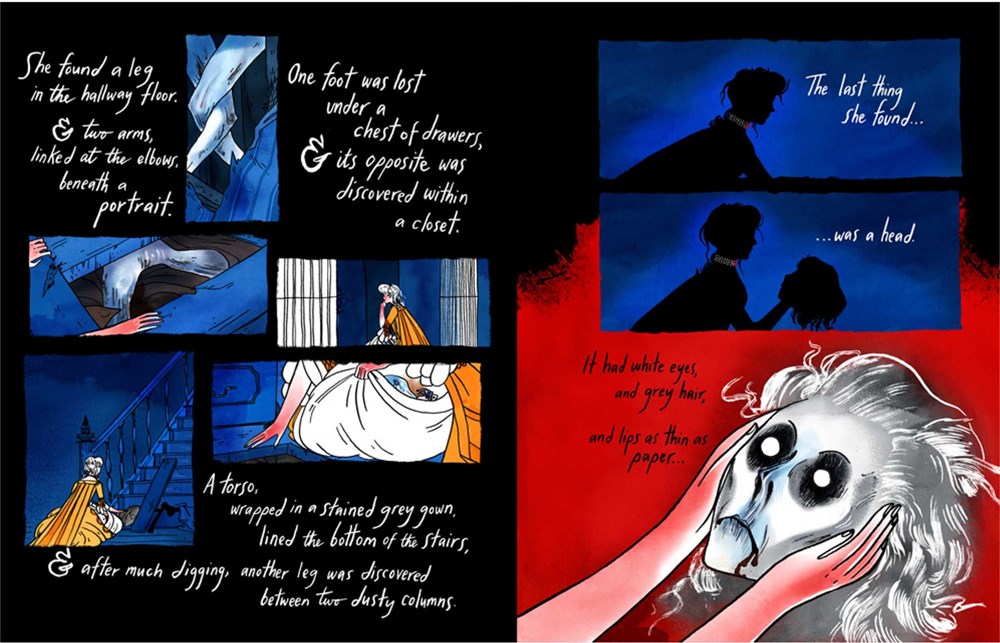
In one story from Emily Carroll’s Gothic collection of graphic short stories, a new bride arrives at a manor house that is now hers. At night she hears a sad song:
It gets creepier, as do all of Emily Carroll’s stories in this haunting collection. The beautiful illustrations, as you can see, contribute to the eerie tone. I half expected some ghostly hand to reach out and pull me into its depths. A must for fans of horror and another great read for Halloween.
In one story from Emily Carroll’s Gothic collection of graphic short stories, a new bride arrives at a manor house that is now hers. At night she hears a sad song:
"I married my love in the springtime, but by summer he'd locked me away. He'd murdered me dead by the autumn, and by winter I was naught but decay. It's so cold where I am and so lonely but in loneliness I will remain, unloved, unavenged, and forgotten, until I am whole once again."She goes searching through the house--in the walls, under the floor. And this is what she finds:
It gets creepier, as do all of Emily Carroll’s stories in this haunting collection. The beautiful illustrations, as you can see, contribute to the eerie tone. I half expected some ghostly hand to reach out and pull me into its depths. A must for fans of horror and another great read for Halloween.
Wednesday, October 15, 2014
Recent Read: The Family Romanov
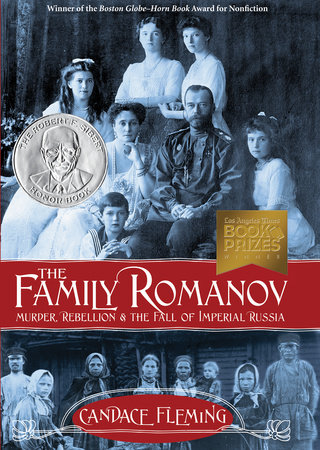
The Family Romanov by Candance Fleming
Tsar Nicholas II: well-intentioned, but ill-prepared and oblivious ruler of 130 million people and 1/3 of the land on Earth, with a family wealth estimated to be worth $45 billion.
Empress Alexandra: slightly reclusive, mystic obsessed, German-born wife to Nicholas.
The Romanov children: four lovely daughters, and one hemophiliac heir, Alexei.
The Russian people: 84% peasants living in crude huts without electricity, chimneys, or real furniture, with barely food enough to eat. 10.5% urban workers, enduring dangerous working conditions and long hours, and making only enough money to rent a small tenement without water, kitchen, or toilet.
With Alexei’s hidden condition, Nicholas’s passive nature, and Alexandra’s penchant for mysticism, the family was destined for trouble from the beginning. Add to that workers’ discontent, miserable peasants, the toxic monk Rasputin, the rise of communism (and Lenin), World War I, and revolution, and doom seems inevitable.
Author Candace Fleming expertly weaves together many different threads to form a complex, tragic tapestry of Russia and its last royal family. She focuses on the Romanov family, providing us a thorough and colorful portrait of the Romanovs—quirks and all (Alexandra personally hung over 700 icons on the walls of the imperial bedroom).
The story of the Romanovs cannot be divorced from the historical and political events of their time, and so their lives and decisions are always included in the larger context of Russia and its people (and problems). To provide an even richer understanding of the time, Fleming includes first-hand accounts of life in Russia at the time from the viewpoint of individual Russians and the occasional foreign journalist.
As readable as any good novel, this nonfiction book is excellent on all fronts. Fascinating and compelling from cover to cover.
Tsar Nicholas II: well-intentioned, but ill-prepared and oblivious ruler of 130 million people and 1/3 of the land on Earth, with a family wealth estimated to be worth $45 billion.
Empress Alexandra: slightly reclusive, mystic obsessed, German-born wife to Nicholas.
The Romanov children: four lovely daughters, and one hemophiliac heir, Alexei.
The Russian people: 84% peasants living in crude huts without electricity, chimneys, or real furniture, with barely food enough to eat. 10.5% urban workers, enduring dangerous working conditions and long hours, and making only enough money to rent a small tenement without water, kitchen, or toilet.
With Alexei’s hidden condition, Nicholas’s passive nature, and Alexandra’s penchant for mysticism, the family was destined for trouble from the beginning. Add to that workers’ discontent, miserable peasants, the toxic monk Rasputin, the rise of communism (and Lenin), World War I, and revolution, and doom seems inevitable.
Author Candace Fleming expertly weaves together many different threads to form a complex, tragic tapestry of Russia and its last royal family. She focuses on the Romanov family, providing us a thorough and colorful portrait of the Romanovs—quirks and all (Alexandra personally hung over 700 icons on the walls of the imperial bedroom).
The story of the Romanovs cannot be divorced from the historical and political events of their time, and so their lives and decisions are always included in the larger context of Russia and its people (and problems). To provide an even richer understanding of the time, Fleming includes first-hand accounts of life in Russia at the time from the viewpoint of individual Russians and the occasional foreign journalist.
As readable as any good novel, this nonfiction book is excellent on all fronts. Fascinating and compelling from cover to cover.
Saturday, August 30, 2014
Recent Read: Salt & Storm
Salt & Storm by Kendall Kulper
Avery Roe is one in a long line of witches on Prince Island. She wants nothing more than to take her place as the next witch, but her mother has trapped her with a curse, preventing her from learning her grandmother’s magic. When Avery has a dream foretelling her own murder, she becomes desperate to break the curse so she can unlock her magic and prevent her death--so desperate that she reaches out to a tattooed islander boy with strange magic of his own.
This is a story that feels rich with history and atmosphere. Prince Island is home to a whaling community that regularly seeks charms and spells from the Roe witch to protect them at sea, keep their lovers faithful, and protect their wares and goods. I loved the world and magic that Kulper has invented here. She not only composed beautiful, rich descriptions of the place, she effectively created a sense of history, tradition and folklore.
As readers, we feel and see with Avery--including her biases. But I didn't realize this until later when it becomes clear that Avery's world is more complicated than she thought. I was surprised by some of the developments in this book.
The love story was a bit lacking--told more than shown, underdeveloped. And the pace started to lag a bit in the middle. But overall it was very good. I loved the atmosphere, the feeling of history, the interesting twists, and the magic itself.
Salt & Storm comes out September 23
Avery Roe is one in a long line of witches on Prince Island. She wants nothing more than to take her place as the next witch, but her mother has trapped her with a curse, preventing her from learning her grandmother’s magic. When Avery has a dream foretelling her own murder, she becomes desperate to break the curse so she can unlock her magic and prevent her death--so desperate that she reaches out to a tattooed islander boy with strange magic of his own.
This is a story that feels rich with history and atmosphere. Prince Island is home to a whaling community that regularly seeks charms and spells from the Roe witch to protect them at sea, keep their lovers faithful, and protect their wares and goods. I loved the world and magic that Kulper has invented here. She not only composed beautiful, rich descriptions of the place, she effectively created a sense of history, tradition and folklore.
As readers, we feel and see with Avery--including her biases. But I didn't realize this until later when it becomes clear that Avery's world is more complicated than she thought. I was surprised by some of the developments in this book.
The love story was a bit lacking--told more than shown, underdeveloped. And the pace started to lag a bit in the middle. But overall it was very good. I loved the atmosphere, the feeling of history, the interesting twists, and the magic itself.
Salt & Storm comes out September 23
Wednesday, July 2, 2014
Recent Read: The Truth About Alice
The Truth About Alice by Jennifer Mathieu
Everyone’s heard that Alice slept with two guys in one night at Elaine’s party. And one of them, dreamy star quarterback Brandon, has just died in a car accident. And everyone knows it was Alice's fault.
The Truth About Alice is told from four perspectives—social queen bee Elaine, former best friend of Alice (and wannabe popular girl) Kelsie, the beloved quarterback’s best friend Josh, and nerdy social pariah Kurt. Through these lenses, we start to get a picture of what really happened, how various lies and rumors get started, and who each of these people are individually. They look like stereotypes or categories, but Mathieu does an excellent job of forming distinct, well-rounded characters. There’s something relatable and human in each character’s story.
This might seem like a weird thing to say, seeing as how some of these people make a girl’s life miserable by lying to cover their own asses, to get ahead socially, or just because. The narration from each character is unflinching in its honesty. But they’re all people, with emotions and desires that are human (and dare I say sympathetic?). They justify their actions in ways that are all too familiar.
I should note that this is not Some Girls Are. It’s not the story of a cruel, relentless attack on Alice. And in there, amongst the selfishness is a story of friendship that’s sweet and meaningful.This is a good one for fans of 13 Reasons Why and Before I Fall.
Everyone’s heard that Alice slept with two guys in one night at Elaine’s party. And one of them, dreamy star quarterback Brandon, has just died in a car accident. And everyone knows it was Alice's fault.
The Truth About Alice is told from four perspectives—social queen bee Elaine, former best friend of Alice (and wannabe popular girl) Kelsie, the beloved quarterback’s best friend Josh, and nerdy social pariah Kurt. Through these lenses, we start to get a picture of what really happened, how various lies and rumors get started, and who each of these people are individually. They look like stereotypes or categories, but Mathieu does an excellent job of forming distinct, well-rounded characters. There’s something relatable and human in each character’s story.
This might seem like a weird thing to say, seeing as how some of these people make a girl’s life miserable by lying to cover their own asses, to get ahead socially, or just because. The narration from each character is unflinching in its honesty. But they’re all people, with emotions and desires that are human (and dare I say sympathetic?). They justify their actions in ways that are all too familiar.
I should note that this is not Some Girls Are. It’s not the story of a cruel, relentless attack on Alice. And in there, amongst the selfishness is a story of friendship that’s sweet and meaningful.This is a good one for fans of 13 Reasons Why and Before I Fall.
Monday, June 2, 2014
Recent Read: To All the Boys I've Loved Before
To All the Boys I've Loved Before by Jenny Han
Each time Lara Jeans falls in love, she writes the boy a letter to say goodbye. Then she tucks it away in a hatbox, never to be sent. But then the boys start receiving their letters.
Great premise, but it wasn't really what I expected. This little description doesn’t really provide a picture of what the story actually is. Lara Jean’s older sister, Margot leaves for college in Scotland as the book begins. Before leaving she breaks up with her long-time boyfriend, Josh—a boy that Lara Jean loved (and realizes she still does). So when he gets his letter, Lara Jean makes up a boyfriend to save face. She no longer has any interest in the fake boyfriend, (Peter, who also got a letter she had written in middle school), but they decide to keep the charade going for the sake of Josh and Peter’s new ex.
So that’s the set up. And I loved it…until the end. One of the best teen romances I’ve read…until the end. When it comes to romance, YA has a lot of passion, drama, sensitivity, and physical intimacy of different kinds. Jenny Han brings something to this story that I rarely see: humor and playfulness. It was a joy to read this. I felt like I was giggling and blushing along with the protagonist. They tease each other and make each other laugh and enjoy spending time together. It’s a bunch of little things that collect over time. It was nice to read something that felt so natural and fun.
Unfortunately, it was not without its problems. The voice was the first thing I noticed. She sounded 13, but she’s 16. She wasn’t especially emotional, which I found strange.
(spoiler-ish things ahead)
Then there's the biggest problem of all: right at the end something sours things for Lara Jean and _____. And they don’t really get resolved. On the final page we see Lara Jean intending to resolve things. But we don’t really get to see them together as a happy couple. I wanted to see that! I don’t want to rely on my own imagination! The ending was focused more on the sisters than the couple. And truth be told, I was a little unsatisfied with what happens between the sisters, too. I can’t imagine letting go of the things they did to each other that quickly and did Margot ever really get what Lara Jean was going through? I dunno. I’ve never had a sister, so maybe I can’t understand. I kept trying to change the story or resolve it in my head after I finished the book. All this build up and then…blah. Not only did the book feel unsettled, it made me feel unsettled, which I did not appreciate. (Though obviously if I had this kind of reaction, she succeeded very much in getting me involved and caring about the characters.)
Each time Lara Jeans falls in love, she writes the boy a letter to say goodbye. Then she tucks it away in a hatbox, never to be sent. But then the boys start receiving their letters.
Great premise, but it wasn't really what I expected. This little description doesn’t really provide a picture of what the story actually is. Lara Jean’s older sister, Margot leaves for college in Scotland as the book begins. Before leaving she breaks up with her long-time boyfriend, Josh—a boy that Lara Jean loved (and realizes she still does). So when he gets his letter, Lara Jean makes up a boyfriend to save face. She no longer has any interest in the fake boyfriend, (Peter, who also got a letter she had written in middle school), but they decide to keep the charade going for the sake of Josh and Peter’s new ex.
So that’s the set up. And I loved it…until the end. One of the best teen romances I’ve read…until the end. When it comes to romance, YA has a lot of passion, drama, sensitivity, and physical intimacy of different kinds. Jenny Han brings something to this story that I rarely see: humor and playfulness. It was a joy to read this. I felt like I was giggling and blushing along with the protagonist. They tease each other and make each other laugh and enjoy spending time together. It’s a bunch of little things that collect over time. It was nice to read something that felt so natural and fun.
Unfortunately, it was not without its problems. The voice was the first thing I noticed. She sounded 13, but she’s 16. She wasn’t especially emotional, which I found strange.
(spoiler-ish things ahead)
Then there's the biggest problem of all: right at the end something sours things for Lara Jean and _____. And they don’t really get resolved. On the final page we see Lara Jean intending to resolve things. But we don’t really get to see them together as a happy couple. I wanted to see that! I don’t want to rely on my own imagination! The ending was focused more on the sisters than the couple. And truth be told, I was a little unsatisfied with what happens between the sisters, too. I can’t imagine letting go of the things they did to each other that quickly and did Margot ever really get what Lara Jean was going through? I dunno. I’ve never had a sister, so maybe I can’t understand. I kept trying to change the story or resolve it in my head after I finished the book. All this build up and then…blah. Not only did the book feel unsettled, it made me feel unsettled, which I did not appreciate. (Though obviously if I had this kind of reaction, she succeeded very much in getting me involved and caring about the characters.)
Monday, May 12, 2014
Recent Read: The Winner's Curse
The Winner's Curse by Marie Rutkoski
Kestrel’s father, a famed general in the empire of Valoria, has given her a choice: marriage or the military. She possesses a strategic prowess desirable in the military, and her best friend’s brother would marry her in a heartbeat. But in truth, she wants neither option. Instead, she finds herself drawn to her slave, Arin. As her feelings for him grow, she talks with him, confides in him, unaware that he is planning to overthrow her people and reclaim what once belonged to him and his people.
This was an interesting read—in part because I was on the fence for at least half of it. It takes a while to get going. There are some inconsistencies in the world-building that irritated me, some characters’ decisions and behavior didn’t totally make sense. But by the end I was more or less sold. Once it did get going, I was hooked. There was enough originality in it to feel new. And the ending leaves the characters in quite a state. It sets up the rest of the trilogy for lots of tension and difficult decisions. I’m very interested to see what happens next.
The idea of the winner’s curse and how Rutkoski used it in the story was great. It’s first used when Kestrel bids an exorbitant amount of money in order to win the slave she can’t resist. But it comes into play more than once later in the story in heart-wrenching ways. Yet (surprisingly) it never felt contrived.
Kestrel’s father, a famed general in the empire of Valoria, has given her a choice: marriage or the military. She possesses a strategic prowess desirable in the military, and her best friend’s brother would marry her in a heartbeat. But in truth, she wants neither option. Instead, she finds herself drawn to her slave, Arin. As her feelings for him grow, she talks with him, confides in him, unaware that he is planning to overthrow her people and reclaim what once belonged to him and his people.
This was an interesting read—in part because I was on the fence for at least half of it. It takes a while to get going. There are some inconsistencies in the world-building that irritated me, some characters’ decisions and behavior didn’t totally make sense. But by the end I was more or less sold. Once it did get going, I was hooked. There was enough originality in it to feel new. And the ending leaves the characters in quite a state. It sets up the rest of the trilogy for lots of tension and difficult decisions. I’m very interested to see what happens next.
The idea of the winner’s curse and how Rutkoski used it in the story was great. It’s first used when Kestrel bids an exorbitant amount of money in order to win the slave she can’t resist. But it comes into play more than once later in the story in heart-wrenching ways. Yet (surprisingly) it never felt contrived.
Monday, April 28, 2014
Recent Read: Don't Even Think About It
Don't Even Think About It by Sarah Mlynowski
Homeroom 10B goes to the nurse to all get flu shots. They come out being able to hear other people’s thoughts.
This is as about as fluffy as it sounds, but boy was it fun. It was silly, immature, funny, gossip-filled, and entertaining. Mlynowski did a good job of portraying teens and their everyday dramas (sometimes serious, sometimes trivial). She also explored most, if not all, aspects of this telepathy side effect—both good and bad. I figure a lot of teens wish they could hear others’ thoughts at some point (I did), but Mlynowski shows readers the pros and cons, as well as the ethical dilemmas telepathy entails. So actually there’s a little bit of substance (themes include privacy, honesty, gossip, ethics, friendship, etc), but handled in such a way that you hardly realize it.
Homeroom 10B goes to the nurse to all get flu shots. They come out being able to hear other people’s thoughts.
This is as about as fluffy as it sounds, but boy was it fun. It was silly, immature, funny, gossip-filled, and entertaining. Mlynowski did a good job of portraying teens and their everyday dramas (sometimes serious, sometimes trivial). She also explored most, if not all, aspects of this telepathy side effect—both good and bad. I figure a lot of teens wish they could hear others’ thoughts at some point (I did), but Mlynowski shows readers the pros and cons, as well as the ethical dilemmas telepathy entails. So actually there’s a little bit of substance (themes include privacy, honesty, gossip, ethics, friendship, etc), but handled in such a way that you hardly realize it.
Saturday, March 8, 2014
Recent Read: Paper Valentine
A serial killer is murdering middle school girls the quiet city of Ludlow. But that’s not the only thing on Hannah’s mind. She’s being haunted by her best friend who died six months ago.
Paper Valentine by Brenna Yovanoff was a great read. It immediately got me interested—she’s haunted by the ghost of her best friend? And her best friend essentially starved herself to death over a period of years? And there’s a murderer in town? I was intrigued and invested in just a few pages. Much of that is thanks to Yovanoff’s writing and the talent she has for giving you a lot of meaning and information in few words.
The mystery drives the plot, building slowly to a nail-biting climax. But equally, if not more, intriguing is the relationship between Hannah and her dead best friend, Lillian. Existing as the worst version of herself, Lillian follows Hannah around, making it impossible for her to move on or find out who she is without Lillian. Meanwhile, Hannah finds herself drawn to one the local delinquents, who she trusts more and more, even as she wonders if he could be behind the murders. As Hannah navigates through a world of ghosts, and absent best friends, romantic delinquents, and cruel murders she starts to learn more about who she is and what she’s made of. This one is fast, page-turning, eerie, and satisfying. And how 'bout that cover?
Paper Valentine by Brenna Yovanoff was a great read. It immediately got me interested—she’s haunted by the ghost of her best friend? And her best friend essentially starved herself to death over a period of years? And there’s a murderer in town? I was intrigued and invested in just a few pages. Much of that is thanks to Yovanoff’s writing and the talent she has for giving you a lot of meaning and information in few words.
The mystery drives the plot, building slowly to a nail-biting climax. But equally, if not more, intriguing is the relationship between Hannah and her dead best friend, Lillian. Existing as the worst version of herself, Lillian follows Hannah around, making it impossible for her to move on or find out who she is without Lillian. Meanwhile, Hannah finds herself drawn to one the local delinquents, who she trusts more and more, even as she wonders if he could be behind the murders. As Hannah navigates through a world of ghosts, and absent best friends, romantic delinquents, and cruel murders she starts to learn more about who she is and what she’s made of. This one is fast, page-turning, eerie, and satisfying. And how 'bout that cover?
Friday, January 24, 2014
Recent Read: Eat, Brains, Love
Eat, Brains, Love by Jeff Hart
Jake is a low-key stoner who likes to play video games in his basement, until he morphs into a flesh-eating zombie during lunch in the school cafeteria and devours a large number of his classmates. Soon he’s on the run from the government with the hottest girl—now zombie—in school.
Well, turns out it takes a
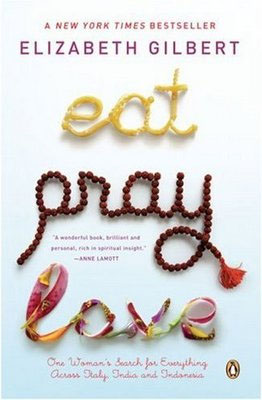
clever title & cover spoofing Eat, Pray, Love and a funny first few pages to
get me to pick up a zombie book. I was always repelled by the idea of zombies,
but I actually enjoyed this book. Though I know next to nothing about zombie
mythology, I thought this one had an interesting take. The story is told from
two perspectives. First there’s Jake: he and Amanda both contract a zombie
virus (STD, if you must know), which causes them to launch into a “necrotic”
(aka zombie) state when overcome by hunger. But the rest of the time, they’re
normal kids with consciences and awareness and unusual healing abilities,
struggling to survive in a country where the government wants to hunt them down
and destroy them. The story is also told from the perspective of Cass, a young
psychic who works for the government helping track down the people-eating
monsters by following their one-track necrotic minds. Only she starts to
question the morality of the projects within her department. So, you can see
that it’s the human story that makes it an enjoyable book.
The book is a great
combination of humor, action, suspense, with a touch of romance. But I
warn you—though it looks like a stand alone, it is not.
A lot of fun.
A lot of fun.
Recent Read: Boxers & Saints
Boxers & Saints by Gene Luen Yang
Having watched as Christian Westerners abuse his family and village, young Bao learns martial arts and recruits others to go with him to fight the “foreign devils” of the West. He forms the Society of the Righteous and Harmonious Fist, a group who take on the identities of the gods of Chinese Opera as they seek to destroy Christianity in China and kill its followers.
Young Four-Girl joins Christianity after being rejected by her family because she was born on the wrong day (of the wrong month of the wrong year). But it’s a dangerous time to be Christian in China, and soon she faces the fearsome violence of Society of the Righteous and Harmonious Fist.
In this incredibly thought-provoking pair of graphic novels, Yang tells the intertwined stories of two young people on opposite sides of a volatile conflict. In Boxers, Bao takes on the superhero-like identity of a god of the Opera as he endeavors to defeat the villainous Christians, while in Saints, an abused and rejected Four-Girl finds acceptance and belonging (and a real name) with those that her family calls devils. Both receive spiritual visitations: Bao, from the domineering first emperor of China, Chin Shi Huang; Four-Girl/Vibiana, from the earnest Joan of Arc. Yang throws the reader into the middle of the action—in all its shocking violence—bringing to life a time of upheaval and high emotions. By writing two novels from different perspectives, Yang provides a more full understanding and well-rounded view of the events. I read all the overlapping scenes side by side after I finished the books, and I found new insights in every one.
Each volume works as a satisfying stand-alone graphic novel. Both stories are interesting, nuanced, and bring up the kind of questions of character, morality and motivation that make a story interesting. But together, they are not only a story of the Boxer Rebellion, but an examination of the idea of sides and war. Is there a good side and a bad side at all? Who are the heroes—or are there any? Who were the protagonists of the Boxer Rebellion?
This is a fascinating question that Yang asks, but I think my love for the books is more about the characters—Bao and Vibiana—than anything else. Their journeys, their imperfections, their youth and immaturity (because many Boxers were just teenagers), their character, and perhaps most powerfully, their deaths had a profound effect on me.
I also appreciated the artistry of the books. Just look at the covers. Each works individually without the other, but together we see parallels and symmetry, completion of halves, ampersands we didn’t even notice were there. That’s how the content of the books is.
Having watched as Christian Westerners abuse his family and village, young Bao learns martial arts and recruits others to go with him to fight the “foreign devils” of the West. He forms the Society of the Righteous and Harmonious Fist, a group who take on the identities of the gods of Chinese Opera as they seek to destroy Christianity in China and kill its followers.
Young Four-Girl joins Christianity after being rejected by her family because she was born on the wrong day (of the wrong month of the wrong year). But it’s a dangerous time to be Christian in China, and soon she faces the fearsome violence of Society of the Righteous and Harmonious Fist.
In this incredibly thought-provoking pair of graphic novels, Yang tells the intertwined stories of two young people on opposite sides of a volatile conflict. In Boxers, Bao takes on the superhero-like identity of a god of the Opera as he endeavors to defeat the villainous Christians, while in Saints, an abused and rejected Four-Girl finds acceptance and belonging (and a real name) with those that her family calls devils. Both receive spiritual visitations: Bao, from the domineering first emperor of China, Chin Shi Huang; Four-Girl/Vibiana, from the earnest Joan of Arc. Yang throws the reader into the middle of the action—in all its shocking violence—bringing to life a time of upheaval and high emotions. By writing two novels from different perspectives, Yang provides a more full understanding and well-rounded view of the events. I read all the overlapping scenes side by side after I finished the books, and I found new insights in every one.
Each volume works as a satisfying stand-alone graphic novel. Both stories are interesting, nuanced, and bring up the kind of questions of character, morality and motivation that make a story interesting. But together, they are not only a story of the Boxer Rebellion, but an examination of the idea of sides and war. Is there a good side and a bad side at all? Who are the heroes—or are there any? Who were the protagonists of the Boxer Rebellion?
This is a fascinating question that Yang asks, but I think my love for the books is more about the characters—Bao and Vibiana—than anything else. Their journeys, their imperfections, their youth and immaturity (because many Boxers were just teenagers), their character, and perhaps most powerfully, their deaths had a profound effect on me.
I also appreciated the artistry of the books. Just look at the covers. Each works individually without the other, but together we see parallels and symmetry, completion of halves, ampersands we didn’t even notice were there. That’s how the content of the books is.
Monday, January 13, 2014
Recent Read: The Killing Woods
The Killing Woods by Lucy Christopher
Emily's dad emerges from the
woods one night carrying what she thinks is the body of a deer, but it's not;
it's the body of a girl--one of her classmates. Her dad is charged with
manslaughter--accused of killing the Ashlee during a PTSD flashback. But Emily
doesn't believe it. What really happened that night?
Emily’s not the only one
wanting to know what happened that night. Ashlee’s boyfriend Damon woke
up wondering why his girlfriend wasn’t next to him, his memories of the
previous night foggy, at best.
Told from the alternating
voices of Emily and Damon, the reader is very much inside each of their
distinct heads, and neither one of them shares everything with the other,
making for very different perspectives and interpretation of events and
evidence. Christopher unfolds this riveting mystery piece by piece, always giving
the reader significant information, without ever being predictable. As Emily
and Damon both investigate and analyze the events, they find themselves awash
in doubts and also drawn together in ways they never expected. Though at its
heart this is a mystery, The Killing Woods explores deeper themes, like guilt,
character, and trust, and tells more personal stories, like that of Emily
coming to grips with her father’s PTSD. The Killing Woods is one gripping,
psychologically intense, and emotionally charged murder mystery. Loved it.
Sunday, January 5, 2014
Recent Read: Grave Mercy
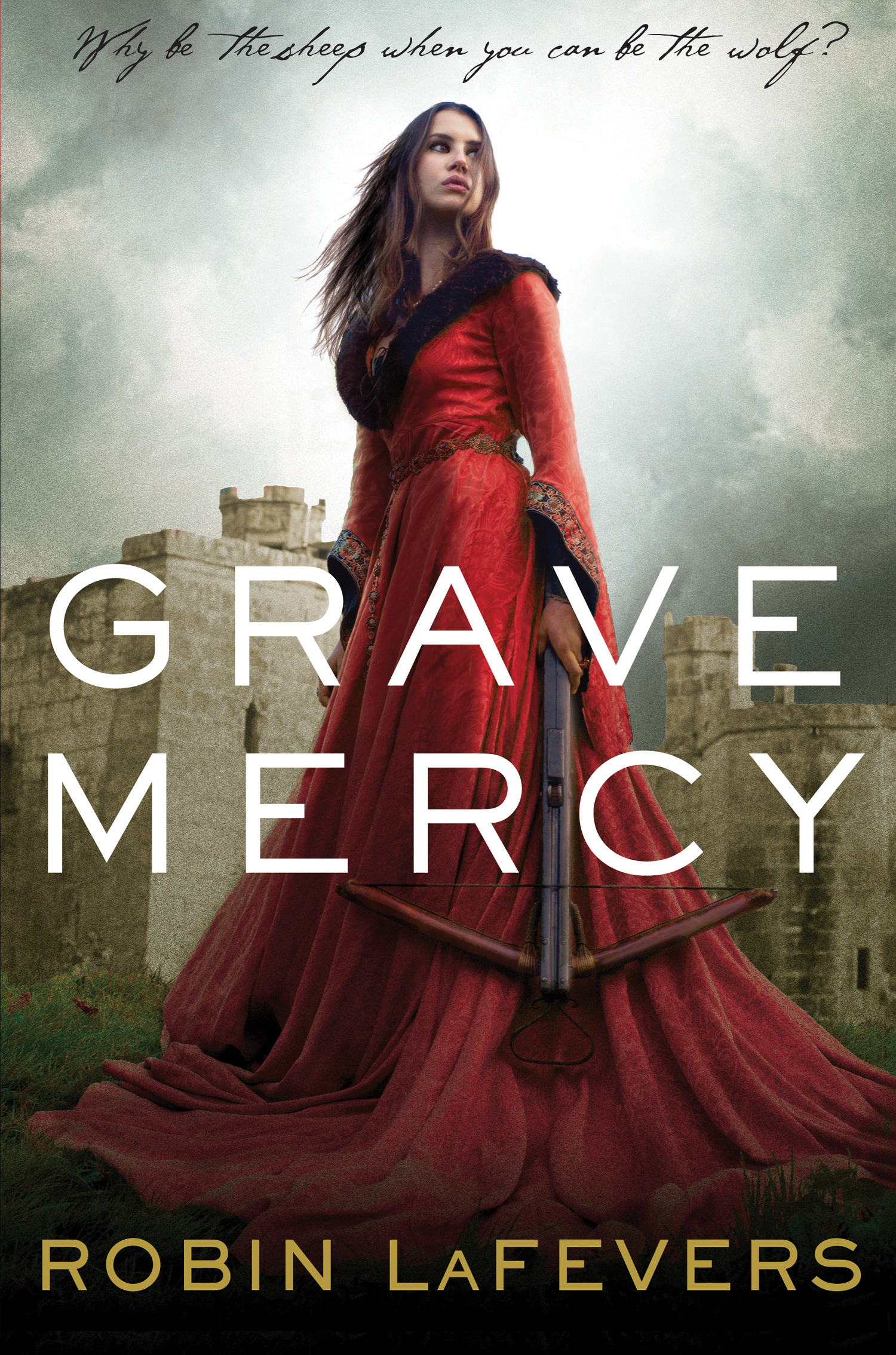
Ismae is rescued from a horrifying arranged marriage and delivered to the Convent of St Mortain, where she learns she is a daughter of Death himself. She is trained in the arts of deception and assassination so she can carry out His will, that is, end the lives of traitors. When she leaves on a mission to the high court of Brittany, she becomes embroiled in the politics and dangerous treachery of the nobles there. Will she be able to carry out the orders of the convent when what they see conflicts with what she herself sees?
In Grave Mercy, Robin LaFevers has written some top notch young adult fantasy. The plot and mythology were well-developed. I really liked the pagan-catholic mythology--it was interesting and unique. There was a lot of intrigue and mystery, some action, and a rather romantic romance (it hits a lot of buttons and avoids insta-love). It was an exciting page-turner. And though it’s part of a series, it is a self-contained story that works just fine as a stand alone. Thoroughly enjoyed this one.
Tuesday, December 31, 2013
Recent Read: Counting By 7s
Willow Chance is a girl who doesn’t fit in. She’s strange, and she knows it. She has three obsessions: medical conditions, plants, and the number 7. And she’s a legitimate genius. She’s always had difficulty making friends. And it’s when she makes her first friend and things really start looking up that her world falls apart. She comes home to find policemen at her house, saying, “There’s been an accident.”
The writing here is great. Holly Goldberg Sloan's Counting by 7s is heartbreaking, but more than that, it’s uplifting, and funny and heart-warming. It’s a story of loss, but also of belonging and friendship and family and service. Willow is odd, yes, but she’s also thoughtful, kind, and sympathetic. She’s observant, and it’s fun to see the world through her intellectual and rational point of view. A motley crew collects around her. We get to know all of them, and we come to care about each of them (sometimes in spite of them). One of the things I loved about this was how they rally around her, and in caring for her, they improve themselves. They become better people because she was in their lives.
Thursday, October 31, 2013
Recent Read: The Coldest Girl in Coldtown
Tana wakes up in the bathroom of a friend's house after a high school party. She emerges to find a massacre of all of her classmates and friends, their blood drained by vampires that are nowhere in sight. The only one still alive is her sleazy ex-boyfriend who's been bitten and a slight vampire chained up on the floor. She narrowly escapes the bloated vampires responsible with her ex and chained vampire in tow. Unsure if she herself has been infected (when bitten, a victim is infected, but only after the victim drinks human blood will he turn into a vampire), she makes her way to the nearest coldtown, a quarantined city for vampires. Tana has a plan, but the risks are high, and she may never be able to return to the life she knew.
Holly Black's The Coldest Girl in Coldtown is no warm and fuzzy tale of vegetarian vampires. The danger is palpable in this fast-paced and grisly (in the best possible way) story. Tana is a clever and appealing heroine--someone who sees the monstrosity of vampires for what it is, as opposed to others who idealize and seek after the glamorous lifestyle they've seen on TV. It's this aspect of the story--the eerily familiar way the teens fantasize about another life and create communities through social media to explore, document and share that fantasy (and reality)--that gave me chills and brought some unexpected depth. In the saturated genre of young adult vampire novels, Holly Black has written something that feels fresh. It's an interesting mix of supernatural, horror, and even a bit of dystopia, and it's wholly enjoyable.
Happy Halloween
Holly Black's The Coldest Girl in Coldtown is no warm and fuzzy tale of vegetarian vampires. The danger is palpable in this fast-paced and grisly (in the best possible way) story. Tana is a clever and appealing heroine--someone who sees the monstrosity of vampires for what it is, as opposed to others who idealize and seek after the glamorous lifestyle they've seen on TV. It's this aspect of the story--the eerily familiar way the teens fantasize about another life and create communities through social media to explore, document and share that fantasy (and reality)--that gave me chills and brought some unexpected depth. In the saturated genre of young adult vampire novels, Holly Black has written something that feels fresh. It's an interesting mix of supernatural, horror, and even a bit of dystopia, and it's wholly enjoyable.
Happy Halloween
Wednesday, June 19, 2013
Recent Read: Eleanor & Park
"She looked like art, and art wasn't supposed to look nice; it was supposed to make you feel something"
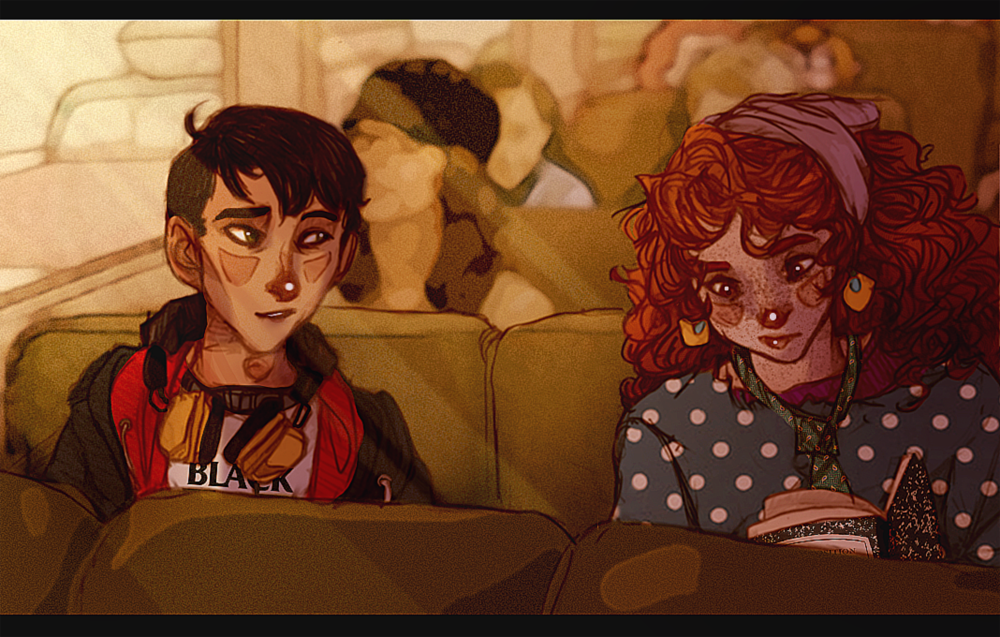
After being kicked out of the house for a year by her new step-father, Eleanor's back and starting at a new high school. She walks onto the bus, chubby, with bright, wild red hair, and weird clothes. No one wants her to sit by them. But when the bus driver insists she sit down, an Asian kid named Park reluctantly moves his bag so she can sit. Eleanor and Park ride the bus together in silence every day. But when he notices her reading his X-Men comics over his shoulder, he slows down his page turns. He doesn't want to be associated with the new girl, and she thinks of him as "weird Asian kid." When he gets vol. 1 of Watchmen, he invites her to take it home and finish it. Shocked, she does and loves every moment. A few days later she arrives on the bus to find a whole stack of comics waiting for her on her seat, to take home, read, and bring back.
Have I caught your attention? Because this had to be one of the most romantic beginnings to a story I’d ever read. When he sees that she’s written the titles of Smiths songs on her book covers and learns she's never heard them, he makes a mix tape. When he finds out she doesn’t have anything to listen to it on, he gives her his walkman.
What Park doesn't know is what a dreadful, scary place Eleanor's home is. She’s so poor, she doesn't have a toothbrush, and her mother married the physically, verbally, and emotionally abusive drunk who kicked Eleanor out of the house for a year. So the bus rides and the music and the comics become her solace. She spends every waking moment away from Park thinking about him, anticipating the next time she’ll see him. And even though he comes from a happy home with loving parents, he feels the same way about her, wishing he could always be with her.
Even though Eleanor & Park by Rainbow Rowell is another love story b/w teenagers in high school, nothing about this story feels like something I’ve seen before. The excellent writing and character development elevate this above so much of what's out there, while still maintaining a good story with heart and excitement. Everything about this story felt real--her mother’s relationship with this abusive creep, Park’s father's difficulty in connecting with his sensitive son, Eleanor’s discomfort being in a traditional home like Park’s, her shame and unwillingness to open up, Park’s feminine mother not knowing how to make sense of this odd red-headed girl, I could go on. All of these various themes and everyday life struggles give the story some real meat and depth.
And the romance--it puts Twilight to shame! The love is so intense and passionate. There are lines like, "Eleanor sitting next to him on the couch made Park feel like someone had opened a window in the middle of the room. Like someone had replaced all the air in the room with brand-new, improved air (now with twice the freshness)." Yeah.
I would recommend this to John Green fans (he did give it a stellar review).
After being kicked out of the house for a year by her new step-father, Eleanor's back and starting at a new high school. She walks onto the bus, chubby, with bright, wild red hair, and weird clothes. No one wants her to sit by them. But when the bus driver insists she sit down, an Asian kid named Park reluctantly moves his bag so she can sit. Eleanor and Park ride the bus together in silence every day. But when he notices her reading his X-Men comics over his shoulder, he slows down his page turns. He doesn't want to be associated with the new girl, and she thinks of him as "weird Asian kid." When he gets vol. 1 of Watchmen, he invites her to take it home and finish it. Shocked, she does and loves every moment. A few days later she arrives on the bus to find a whole stack of comics waiting for her on her seat, to take home, read, and bring back.
Have I caught your attention? Because this had to be one of the most romantic beginnings to a story I’d ever read. When he sees that she’s written the titles of Smiths songs on her book covers and learns she's never heard them, he makes a mix tape. When he finds out she doesn’t have anything to listen to it on, he gives her his walkman.
| Fan art by Henna Lucas http://pbjsandwitch.tumblr.com/ |
What Park doesn't know is what a dreadful, scary place Eleanor's home is. She’s so poor, she doesn't have a toothbrush, and her mother married the physically, verbally, and emotionally abusive drunk who kicked Eleanor out of the house for a year. So the bus rides and the music and the comics become her solace. She spends every waking moment away from Park thinking about him, anticipating the next time she’ll see him. And even though he comes from a happy home with loving parents, he feels the same way about her, wishing he could always be with her.
Even though Eleanor & Park by Rainbow Rowell is another love story b/w teenagers in high school, nothing about this story feels like something I’ve seen before. The excellent writing and character development elevate this above so much of what's out there, while still maintaining a good story with heart and excitement. Everything about this story felt real--her mother’s relationship with this abusive creep, Park’s father's difficulty in connecting with his sensitive son, Eleanor’s discomfort being in a traditional home like Park’s, her shame and unwillingness to open up, Park’s feminine mother not knowing how to make sense of this odd red-headed girl, I could go on. All of these various themes and everyday life struggles give the story some real meat and depth.
And the romance--it puts Twilight to shame! The love is so intense and passionate. There are lines like, "Eleanor sitting next to him on the couch made Park feel like someone had opened a window in the middle of the room. Like someone had replaced all the air in the room with brand-new, improved air (now with twice the freshness)." Yeah.
I would recommend this to John Green fans (he did give it a stellar review).
Friday, June 7, 2013
Recent Read: The Queen of Water
At age 7, Virginia, a poor indigenous girl from Ecuador, is taken from her Andean village to the city to work for an upper class family as a maid. Her life resembles that of a slave more than that of a maid. Her mistress beats her and insults her regularly, calling her racial slurs for be an indigena. She has no contact with her family and is told they don't want to see her. But she is determined to become educated and find a way out. In this true story of a stolen daughter, we follow Virginia as she learns to survive and overcome through education, intelligence, and perseverance.
In the Queen of Water, author Laura Resau succeeds in depicting so many complex aspects of Virginia's story--conflicting emotions, confused identity, a sort of Stockholm syndrome, and the cultural tensions within Ecuador. It's hard to read at times, but there are moments of humor and hope even in the darkest of times. I found the conflict Virginia faces as she tries to find her place in the world after being cut off from her family, raised in a mestizo (upper-class) home, and taught to revile her heritage compelling and heartbreaking. But Virginia is an incredible person--intelligent, ambitious, innovative, hard working, and always hopeful.
Resau explains how she met Maria Virginia Farninango and heard her story in the author's note. She says that despite the heartbreaking and sometimes disturbing nature of Farinango's experience, she told it with "laughter, spunk, and . . . heart-swelling triumph." I think Resau successfully captured those qualities in her narrative.
It's an inspiring book. And it's another one of those books that taught me about something I didn't even know happened (at least not as recently as the 80s!!). I appreciate books like this one that not only tell a good story, but educate me. Overall, I would highly recommend this because of the story alone.
This is not, however, a book for reluctant readers. It felt a little long in places. Even though it didn't feel like space was wasted, it probably could have been a bit tighter.
You can see photos of the real Maria Virginia (and see photos of Ecuador and hear stories of the author's experience there) here. Oh, and that cover photo is an ever-so-slightly altered photo of Maria Virginia herself!
In the Queen of Water, author Laura Resau succeeds in depicting so many complex aspects of Virginia's story--conflicting emotions, confused identity, a sort of Stockholm syndrome, and the cultural tensions within Ecuador. It's hard to read at times, but there are moments of humor and hope even in the darkest of times. I found the conflict Virginia faces as she tries to find her place in the world after being cut off from her family, raised in a mestizo (upper-class) home, and taught to revile her heritage compelling and heartbreaking. But Virginia is an incredible person--intelligent, ambitious, innovative, hard working, and always hopeful.
Resau explains how she met Maria Virginia Farninango and heard her story in the author's note. She says that despite the heartbreaking and sometimes disturbing nature of Farinango's experience, she told it with "laughter, spunk, and . . . heart-swelling triumph." I think Resau successfully captured those qualities in her narrative.
It's an inspiring book. And it's another one of those books that taught me about something I didn't even know happened (at least not as recently as the 80s!!). I appreciate books like this one that not only tell a good story, but educate me. Overall, I would highly recommend this because of the story alone.
This is not, however, a book for reluctant readers. It felt a little long in places. Even though it didn't feel like space was wasted, it probably could have been a bit tighter.
You can see photos of the real Maria Virginia (and see photos of Ecuador and hear stories of the author's experience there) here. Oh, and that cover photo is an ever-so-slightly altered photo of Maria Virginia herself!
Subscribe to:
Posts (Atom)